
Industrial furniture has become a defining aesthetic in modern interior design, characterized by its raw, utilitarian appearance that draws inspiration from old factories, warehouses, and workshops. This style emerged from the adaptive reuse of industrial-era buildings, where exposed materials such as metal piping, steel frames, and reclaimed wood were left visible rather than concealed, eventually evolving into a recognized design movement.
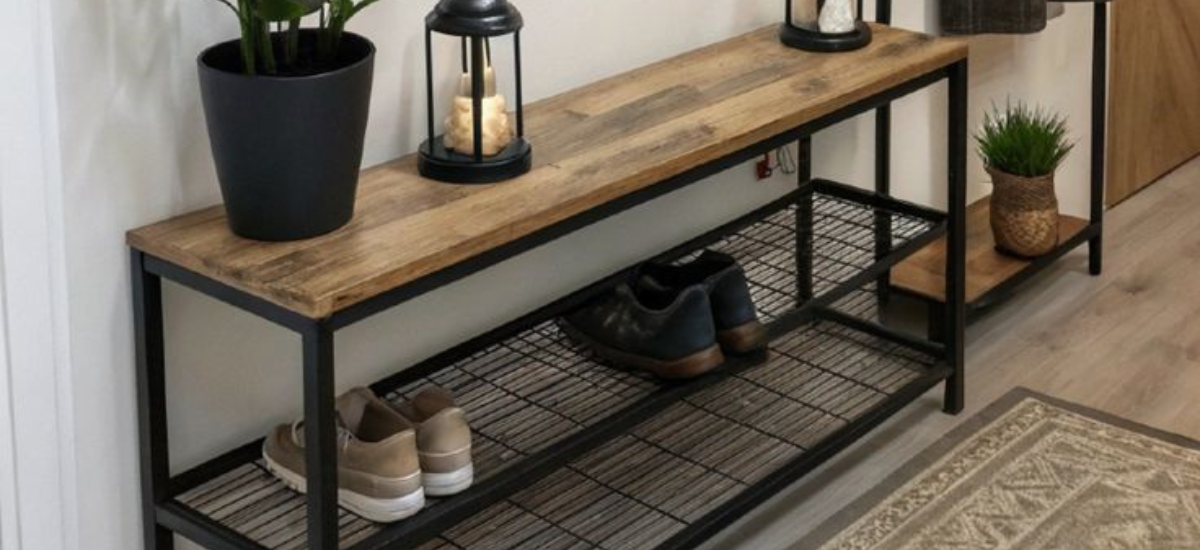
The defining feature of industrial furniture is its combination of raw materials, typically pairing solid wood with metal elements such as iron or steel frames. This contrast between the warmth of natural wood grain and the cold, structural quality of metal creates a visual tension that many designers find appealing. Unlike more polished furniture styles, industrial pieces often embrace visible imperfections, such as natural wood knots, slight surface unevenness, or intentionally exposed welding seams, reinforcing the style’s authentic, unrefined character.
In Indonesia, manufacturers have adapted industrial furniture production by combining durable local hardwoods, such as teak or mango wood, with metal framing fabricated to mimic the worn, utilitarian look associated with the style. This approach allows for furniture that retains structural durability while achieving the aesthetic qualities associated with industrial design, such as matte black metal finishes or slightly rusted accents for an aged appearance.
Functionally, industrial furniture tends to favor simple, geometric forms over decorative ornamentation. Common pieces include dining tables with metal hairpin legs, bookshelves with exposed metal framing, and metal-accented seating, all designed to emphasize structural elements as part of the overall visual composition rather than hiding them.
The popularity of industrial furniture is closely tied to broader interior design trends favoring open-concept living spaces, loft-style apartments, and minimalist urban interiors. Its straightforward, functional design language allows it to work well in both residential and commercial settings, including cafes, offices, and retail spaces.
As global demand for industrial-style furniture continues, Indonesian manufacturers have leveraged their wood-processing expertise alongside metalworking capabilities to produce competitively priced industrial furniture that maintains both structural integrity and the visual authenticity that defines this distinctive design category.