
Sustainability has increasingly become an important advantage for the Indonesian furniture industry, particularly as global buyers place greater emphasis on environmentally responsible sourcing and production practices. This shift reflects broader international market trends, where sustainability credentials can influence purchasing decisions as significantly as price or design quality.
One of the most notable developments in this area is Indonesia’s implementation of the Timber Legality Verification System (SVLK), a regulatory framework designed to ensure that wood used in furniture production is legally harvested and sourced through verified supply chains. This system has helped Indonesian exporters meet import requirements in markets such as the European Union, which enforces strict regulations on timber legality under frameworks like the EU Timber Regulation.
Beyond legal compliance, many Indonesian furniture manufacturers have also pursued additional sustainability certifications, such as those related to responsible forest management, to further demonstrate their commitment to environmentally conscious production. These certifications often require manufacturers to demonstrate traceable sourcing practices, from forest harvesting through to final furniture production.
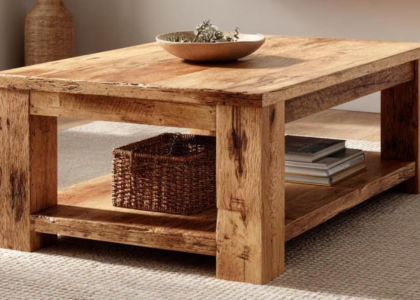
The growing popularity of recycled and reclaimed wood furniture within Indonesia’s product offerings also reflects this sustainability trend. By utilizing materials such as reclaimed teak boat wood or repurposed structural timber, manufacturers can reduce dependency on newly harvested wood while offering products with distinctive aesthetic qualities valued by environmentally conscious consumers.
Additionally, some manufacturers have begun incorporating fast-growing, renewable materials such as bamboo into their product lines, offering an alternative to slower-growing hardwoods while still meeting furniture durability requirements for certain applications.
As international regulations around sustainable sourcing continue to tighten, particularly within key export markets, Indonesia’s progress in this area positions its furniture industry favorably for continued market access. Manufacturers that proactively adopt sustainable practices are likely to find themselves better positioned to meet evolving buyer expectations, suggesting that sustainability will continue to play an increasingly central role in Indonesia’s furniture industry competitiveness moving forward.