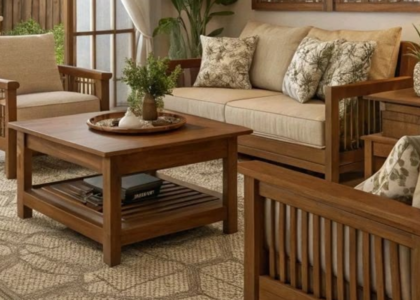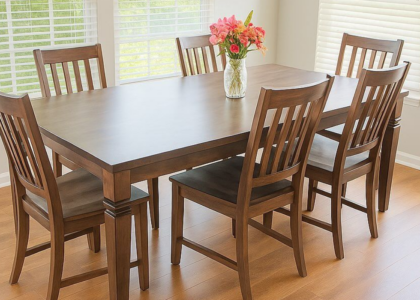


The furniture export industry plays a significant role in Indonesia’s economy, contributing billions of dollars in annual trade value and providing employment for hundreds of thousands of workers across the archipelago. Indonesia exports furniture to major markets including the United States, the European Union, Japan, and Australia, with products ranging from outdoor teak furniture to handcrafted rattan pieces and modern minimalist designs.
The structure of the industry is diverse. It includes large-scale manufacturers capable of producing container loads of standardized furniture for international retailers, as well as smaller artisan workshops that focus on custom or limited-production pieces. This range allows Indonesia to serve different segments of the global furniture market, from mass-market retail chains to specialty boutique buyers.
Several factors contribute to the competitiveness of Indonesian furniture exports. Access to raw materials such as teak, mahogany, rattan, and bamboo gives manufacturers a material advantage that is harder to replicate in countries without similar natural resources. Additionally, decades of accumulated craftsmanship knowledge mean that complex techniques, such as detailed carving or traditional joinery, can be executed at scale without sacrificing quality.
Government and industry associations have also played a role in supporting export growth. Trade fairs such as the Indonesia International Furniture Expo (IFEX) provide a platform for manufacturers to connect with international buyers, while regulatory frameworks around legal timber sourcing, such as the SVLK (Timber Legality Verification System), help ensure that exported products meet sustainability and legal compliance standards required by importing countries.
However, the industry also faces challenges, including fluctuating raw material prices, competition from other furniture-producing countries such as Vietnam and China, and the need to continuously adapt to shifting global design trends. Rising freight costs and supply chain disruptions in recent years have further tested the resilience of exporters.
Despite these challenges, the long-term outlook for Indonesian furniture exports remains generally positive. As demand for natural materials and ethically sourced products grows, particularly in Western markets, Indonesia is well positioned to capture additional market share, provided that quality control, sustainability compliance, and innovation continue to be prioritized across the supply chain.