
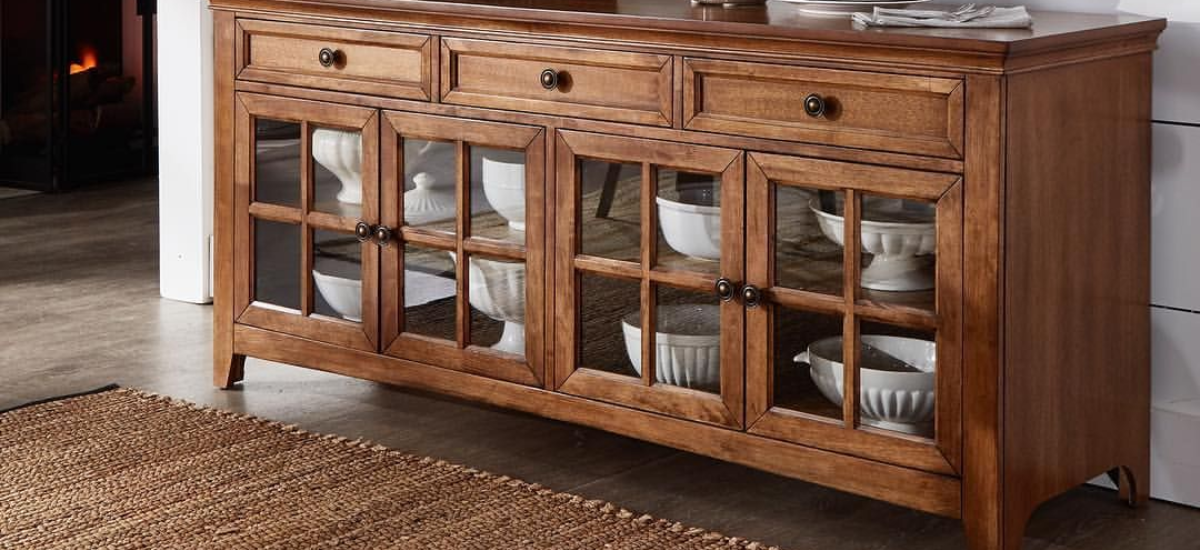
Colonial teak furniture represents a distinctive design category shaped by the historical intersection of European colonial influence and traditional Southeast Asian craftsmanship. This style emerged during the colonial period in countries such as Indonesia, where European furniture forms were adapted and reproduced using local teak wood and regional woodworking techniques.
A defining characteristic of colonial teak furniture is its blend of structural elements from European furniture traditions, such as elegant proportions, paneled cabinet doors, and turned legs, combined with the durability and rich tonal quality of teak wood. This fusion resulted in furniture that carried a refined, formal aesthetic while remaining practical for tropical climates, given teak’s natural resistance to humidity and pests.
Many colonial-style furniture pieces feature classic design elements such as raised panel doors, brass hardware, and symmetrical proportions reminiscent of 18th and 19th-century European furniture styles. However, Indonesian craftsmen often incorporated subtle regional adaptations, including simplified carving details or locally inspired decorative motifs, creating a hybrid aesthetic that reflects both colonial formality and indigenous craftsmanship.
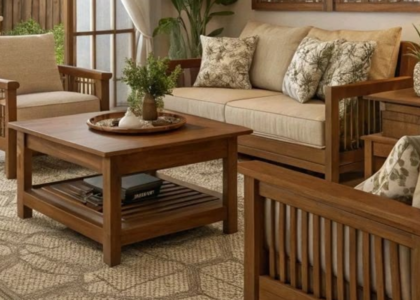
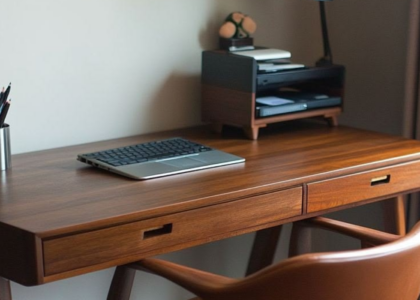
Colonial teak furniture commonly includes larger statement pieces such as armoires, sideboards, writing desks, and four-poster beds, designed to convey a sense of formality and historical character. These pieces are often associated with classic, traditional, or heritage-style interior designs, appealing to buyers who appreciate furniture with a sense of historical narrative.
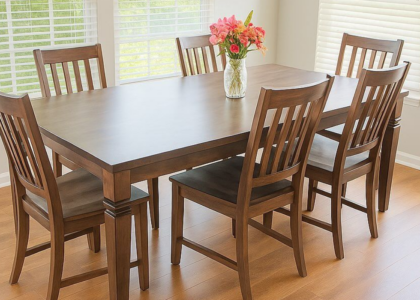
In terms of finishing, colonial teak furniture is typically treated with rich stains or polished lacquers that enhance the wood’s natural reddish-brown tones, creating a warm, formal appearance that contrasts with the more rustic look of raw or distressed teak styles.
Today, Indonesian manufacturers continue producing colonial-style teak furniture for both domestic and international markets, particularly for buyers interested in classic, traditional aesthetics rather than contemporary minimalist designs. This furniture category remains relevant by offering a sense of historical elegance, combining the structural sophistication of colonial-era design with the enduring material qualities that have long made teak a preferred furniture wood..