
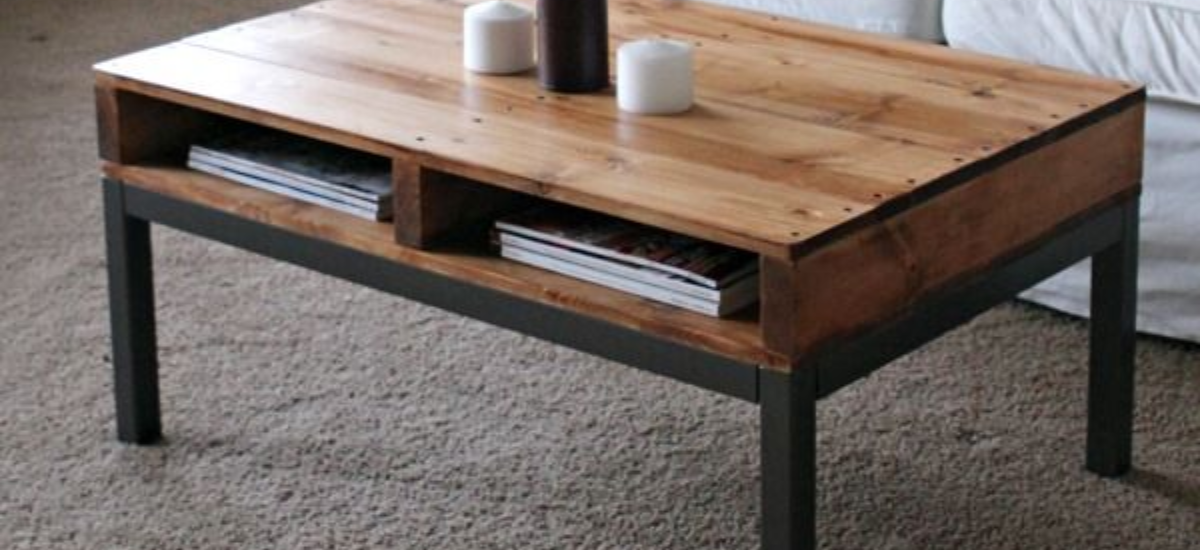
Recycled furniture has emerged as an increasingly significant category within the global furniture industry, driven largely by growing environmental awareness and consumer demand for sustainable products. This furniture style is built primarily from reclaimed or repurposed materials, often sourced from old boats, demolished buildings, discarded shipping pallets, or salvaged wood from previous structures.
What makes recycled furniture particularly distinctive is the unpredictable, character-rich appearance of the materials used. Reclaimed wood often carries visible signs of its previous life, such as nail holes, weathering, varied coloration, or tool marks, which manufacturers typically choose to preserve rather than disguise. This results in furniture pieces that are inherently unique, as no two items made from reclaimed wood will have an identical grain pattern or surface texture.
In Indonesia, recycled furniture production has grown particularly in regions with access to old teak boat wood, commonly sourced from decommissioned fishing or cargo boats originally used in maritime trade. This boat wood, having been exposed to saltwater and sun for years, develops a distinct texture and weathered patina that is highly valued in recycled furniture markets, particularly for rustic or coastal-themed interior designs.
Beyond aesthetic appeal, recycled furniture also offers environmental advantages by reducing demand for newly harvested timber and giving extended life to materials that might otherwise be discarded. This aligns with broader sustainability goals within the furniture industry, particularly as international buyers increasingly prioritize eco-conscious sourcing practices.
Production processes for recycled furniture require careful material assessment, as reclaimed wood must be inspected for structural integrity, treated for pests, and processed to remove embedded metal fragments such as old nails or screws before it can be reused safely in furniture construction.
As sustainability continues to influence global furniture trends, recycled furniture occupies a meaningful niche that combines environmental responsibility with distinctive, story-rich design. For manufacturers, this category offers an opportunity to differentiate their products through authenticity and craftsmanship rather than relying solely on conventional new materials.