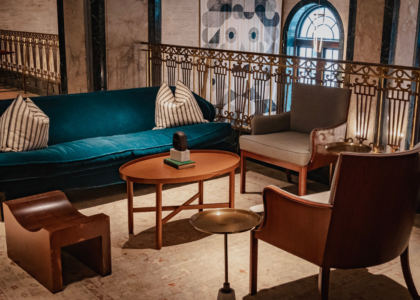

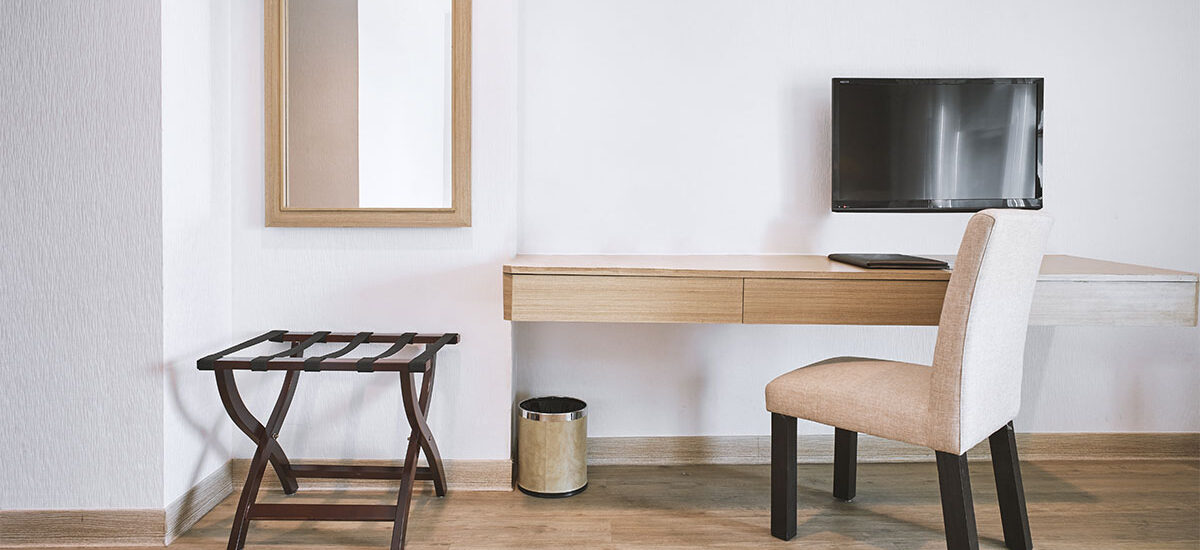
Indonesia has long been recognized as one of the world’s leading furniture-producing nations, and its reputation is rooted in centuries of woodworking tradition. From the teak forests of Central Java to the rattan plantations of Sumatra and Kalimantan, Indonesian artisans have developed techniques passed down through generations, blending functionality with artistic expression.
Historically, furniture making in Indonesia was closely tied to local culture and royal courts, particularly in Java, where intricate carvings adorned palace furniture and religious structures. Over time, these skills spread to villages and small workshops, eventually evolving into a structured industry that now supplies furniture to markets across the globe.
What sets Indonesian furniture apart is the combination of natural materials and handcrafted detail. Teak wood, known for its durability and natural oils that resist decay and pests, remains a primary material choice. Meanwhile, rattan and bamboo offer lightweight, flexible alternatives that are popular in tropical and coastal interior designs.
Today, the Indonesian furniture industry operates through a mix of small family-run workshops and larger export-oriented factories, particularly concentrated in furniture hubs like Jepara, Yogyakarta, and Cirebon. Jepara, often called the “carving city,” is particularly famous for its detailed wood carving techniques that have been recognized internationally.
The industry also reflects an interesting balance between tradition and modernization. While many craftsmen still rely on manual carving tools and joinery methods inherited from their ancestors, modern workshops have integrated machinery for cutting, sanding, and finishing to meet international quality standards and production timelines.
Sustainability has also become an increasingly important part of the conversation. With growing global demand for environmentally responsible products, many Indonesian furniture producers have adopted certified sustainable wood sourcing practices, such as those verified by the Indonesian Ecolabelling Institute or international certification bodies.
As global interior design trends continue to favor natural, textured, and handmade aesthetics, Indonesian furniture’s heritage-based craftsmanship aligns well with consumer preferences for authenticity. This heritage is not just a historical footnote — it continues to shape the identity and competitive advantage of Indonesia’s furniture sector on the world stage.