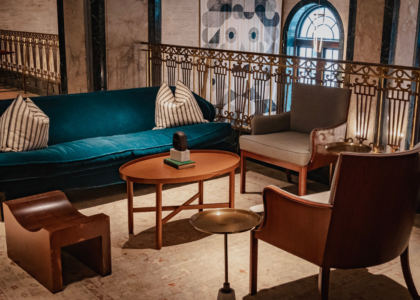


Teak wood holds a central place in Indonesia’s furniture industry, valued for its strength, natural resistance to weather, and distinctive grain pattern. Much of the world’s commercially harvested teak originates from Indonesia, particularly from plantations managed by Perum Perhutani, a state-owned forestry company that oversees teak cultivation primarily in Java.
The popularity of teak as a furniture material stems from its natural properties. It contains natural oils that make it resistant to rot, insects, and fungal decay, which is part of why teak furniture has historically been used for outdoor applications such as garden benches, patio sets, and boat-building components. This durability allows teak furniture to withstand exposure to rain, humidity, and temperature changes without rapid deterioration, a quality that is particularly valuable in tropical climates.
Beyond its practical benefits, teak is also prized for its aesthetic qualities. The wood typically has a warm golden-brown color when freshly cut, which gradually weathers to a silvery-grey patina if left untreated outdoors — a transformation that many designers and furniture owners find visually appealing. Indoors, teak is often finished with oils or sealants to preserve its original color and enhance the visibility of its grain.
Indonesian teak furniture production ranges from simple, functional designs to highly detailed carved pieces. In regions like Jepara, artisans use teak to create elaborate furniture featuring traditional Javanese motifs, while other manufacturers produce clean, minimalist teak furniture aimed at contemporary international markets.
Sustainability considerations have become increasingly important in teak sourcing. Because demand for teak has historically led to concerns about deforestation, many manufacturers now rely on certified plantation-grown teak rather than wood harvested from natural forests. Certification systems help verify that the wood has been sourced through legal and managed forestry practices, addressing both environmental and regulatory requirements in export markets.
Overall, teak remains a defining material in Indonesian furniture, valued for the combination of durability, natural beauty, and cultural significance it brings to both traditional and modern furniture designs.